
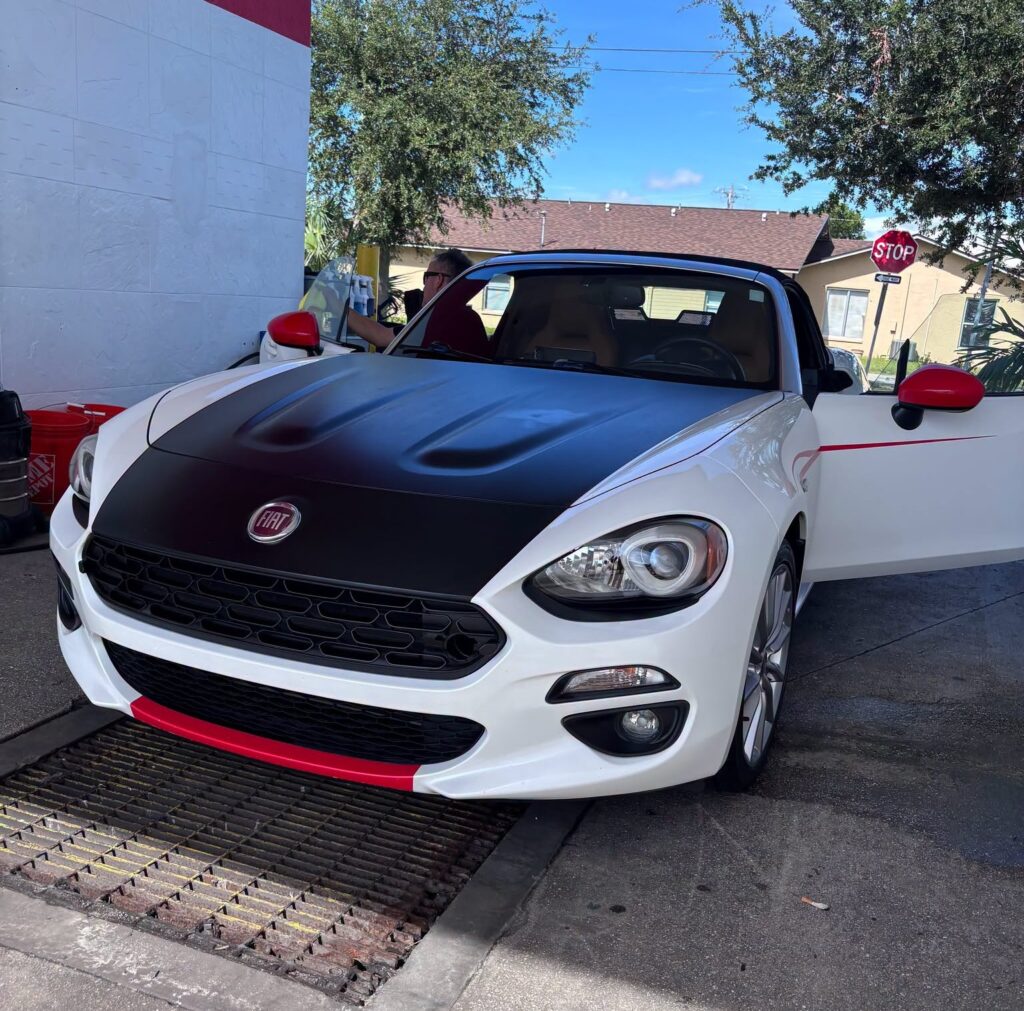
If your car’s paint looks dull, covered in swirl marks, or less glossy than it used to be, a regular car wash may not be enough to restore its appearance. Professional paint correction in Cape Coral, FL, can help reduce visible paint imperfections and bring back a smoother, more reflective finish. Understanding how the process works, what it can fix, and when it is worth the investment can help you make the right decision for your vehicle.
What Is Paint Correction?
Paint correction is a professional detailing process that uses specialized machine polishing techniques to reduce or remove suitable surface defects from a vehicle’s clear coat. The goal is to improve paint clarity, gloss, and overall appearance.
Unlike a standard wash, which removes dirt from the vehicle’s surface, paint correction addresses certain imperfections that remain after cleaning.
What Types of Paint Defects Can It Improve?
Depending on the paint condition and defect depth, car paint correction can help improve:
- Swirl marks: Fine circular scratches often caused by improper washing or drying.
- Light scratches: Minor surface imperfections that have not penetrated too deeply into the clear coat.
- Paint haze: A cloudy appearance that reduces the paint’s clarity and reflection.
- Oxidation: Surface deterioration that can contribute to faded or dull-looking paint.
- Certain water spots: Mineral deposits or light etching that may respond to appropriate polishing.
However, not every defect can be corrected through polishing. Deep scratches, peeling clear coat, and damage extending into the paint layer may require touch-up work, refinishing, or repainting.
Why Do Cars in Cape Coral Need Paint Correction?
Vehicles in Cape Coral and throughout Southwest Florida experience environmental conditions that can affect their appearance over time. Regular maintenance helps, but some paint imperfections may require more specialized care.
Florida Sun, Heat, and UV Exposure
Strong sunlight and prolonged UV exposure can contribute to paint fading and clear-coat deterioration. Parking outdoors for extended periods may increase exposure.
Paint correction can improve certain existing surface imperfections, but it does not reverse all UV damage or provide permanent protection against future fading. Regular washing, suitable paint protection, and shaded parking when practical can help maintain the finish.
Salt Residue, Rain, and Environmental Contaminants
Coastal driving can expose vehicles to salt residue, while rainwater may leave mineral deposits when droplets evaporate. Bird droppings, tree sap, and other contaminants can also affect the paint if left untreated.
A professional detailing process may include exterior decontamination before polishing. This helps prepare the surface and reduces the risk of dragging contaminants across the paint during correction.
Improper Washing and Drying
Dirty wash mitts, abrasive materials, and unsuitable drying methods can introduce fine scratches and swirl marks. Over time, these imperfections may become more noticeable under direct sunlight.
Using clean microfiber materials and appropriate washing techniques can help reduce further damage.
Is Paint Correction Worth It?
For many vehicle owners, professional paint correction can be worthwhile when visible imperfections affect the vehicle’s appearance and the paint is in suitable condition for polishing.
Benefits of Professional Paint Correction
The main benefits of professional paint correction include:
- Improved gloss: Polishing can restore clarity and enhance reflections.
- Reduced swirl marks: Suitable defects may become less visible or disappear after correction.
- A cleaner-looking finish: Removing certain surface imperfections can make the paint appear more refined.
- Better preparation for protection: Corrected paint can provide a more attractive starting point for a suitable sealant or ceramic coating.
Results depend on the vehicle’s paint condition, the type of defects, and the level of correction performed.
When Is Paint Correction a Good Investment?
Paint correction may be a good choice if your vehicle has visible swirl marks, light scratches, haze, or other correctable defects. It can also be useful if you want to improve the finish before applying ceramic coating.
For owners of luxury vehicles, sports cars, or well-maintained daily drivers, improving paint clarity may make a noticeable difference in appearance.
When Might It Not Be Worth It?
Paint correction may not be the best option when the clear coat is peeling, scratches are too deep to correct safely, or the paint requires more extensive repairs.
It may also be unnecessary if you are already satisfied with your vehicle’s appearance.
A professional inspection can help determine whether polishing is appropriate and what results are realistic.
What Is the Paint Correction Process?
At Cape Coral Carwash, the published professional detailing process emphasizes inspection, decontamination, restoration, and a final review.
1. Paint Inspection and Assessment
The vehicle’s paint is inspected for swirl marks, scratches, haze, and other imperfections. Where appropriate, paint-thickness measurements help inform decisions about safe polishing.
2. Washing and Paint Decontamination
The vehicle is thoroughly washed to remove surface dirt. Depending on the condition of the paint, additional treatments such as iron removal or clay-bar decontamination may be used to remove bonded contaminants.
3. Machine Polishing and Refinement
The technician selects suitable polishing products, pads, and techniques based on the paint condition and desired result. Some vehicles may need a single polishing stage, while others require multiple stages.
The objective is to improve the finish while preserving as much clear coat as reasonably possible.
4. Final Inspection and Paint Protection
After polishing, the finish is inspected under suitable lighting. The technician can then discuss maintenance recommendations and optional protection, including ceramic coating where appropriate.
How Much Does Paint Correction Cost in Cape Coral, FL?
The cost of paint correction in Cape Coral, FL, depends on several factors, including:
- Vehicle size and paint condition
- Number of polishing stages required
- Severity and type of paint defects
- Time needed to achieve the desired result
- Whether additional decontamination or paint protection is requested
A vehicle with light swirl marks may require less work than one with extensive defects. The most reliable way to understand the cost is to request an assessment and a quote based on your vehicle’s condition.
Avoid choosing a service based on price alone. The correction method, technician’s experience, and realistic expectations about the final result are also important.
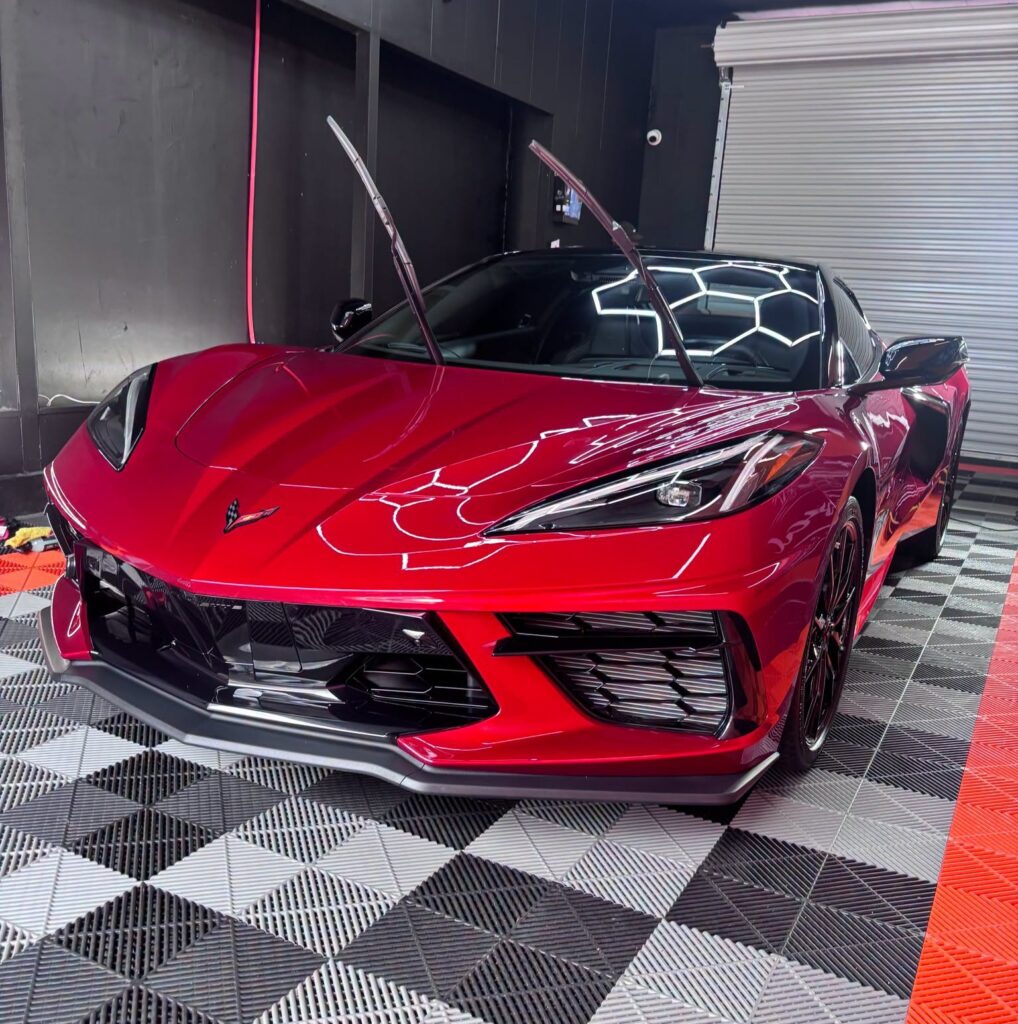
Paint Correction vs. Polishing vs. Ceramic Coating
These terms are related, but they describe different aspects of vehicle care.
Paint polishing is a broad term for using polishing products and tools to refine a surface and improve gloss. Paint correction generally involves a more targeted process intended to reduce or remove suitable paint defects.
Ceramic coating, on the other hand, is a protective layer applied to properly prepared paint. It can improve water repellency and make routine cleaning easier, but it does not repair scratches by itself or make the vehicle scratch-proof.
For the best result, paint correction may be performed before ceramic coating when the paint condition calls for it.
Frequently Asked Questions About Paint Correction
Does Paint Correction Remove Deep Scratches?
Not always. Light scratches and suitable clear-coat defects may respond to polishing, but deeper scratches may require touch-up work or repainting.
How Long Does Paint Correction Take?
The time required depends on vehicle size, paint condition, and the number of polishing stages. Ask the detailing provider for an estimate after an inspection.
Does Paint Correction Damage Clear Coat?
Polishing removes a small amount of material from the paint surface. Appropriate assessment, product selection, and technique are important to avoid unnecessary clear-coat removal.
Should I Get Ceramic Coating After Paint Correction?
Ceramic coating may be worthwhile if you want additional paint protection, water repellency, and easier maintenance. It is optional, and the right choice depends on your budget and vehicle-care goals.
How Can I Maintain Corrected Paint?
Wash the vehicle using safe methods, use clean microfiber materials, remove contaminants promptly, and consider suitable paint protection. Consistent maintenance helps preserve the improved finish.
Get Professional Paint Correction in Cape Coral, FL
If swirl marks, light scratches, or dull paint are affecting your vehicle’s appearance, Cape Coral Carwash can help you explore professional paint correction options. The team offers multi-stage paint correction and detailing services designed to improve vehicle appearance and prepare suitable paint for protection.
Contact Cape Coral Carwash to discuss your vehicle’s condition and request a professional assessment.
Cape Coral Carwash
- Phone: (239) 316-8879
- Email: cccw1934@gmail.com
- Address: 1934 Del Prado Blvd S, Cape Coral, FL 33990
- View Cape Coral Carwash on Map
Give your vehicle the attention it needs with professional paint correction in Cape Coral, FL. Call today to discuss your options and find the right approach for your car’s finish.